
Iran and the United States resume crucial nuclear talks in Muscat, Oman, raising hopes for diplomacy but triggering concern among Gulf countries over regional security and future escalation.
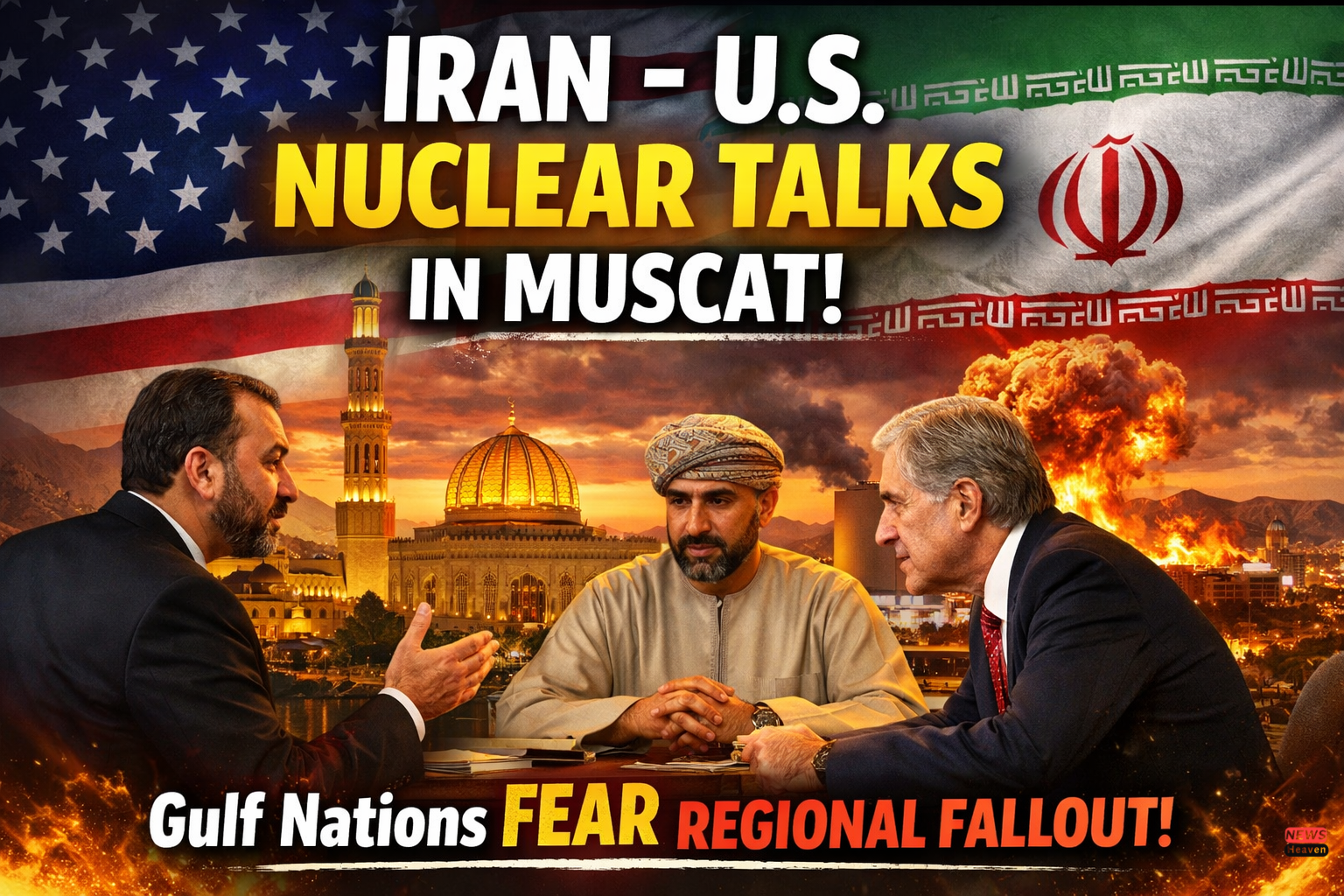
Iran–US Nuclear Talks Resume in Muscat with Oman’s Mediation, Gulf Countries on Edge
The long-standing nuclear standoff between Iran and the United States has once again entered a critical phase, as both nations have reportedly restarted nuclear negotiations in Muscat, Oman. The renewed diplomatic engagement comes at a time of heightened geopolitical instability in the Middle East, leaving Gulf countries increasingly concerned about the consequences of either a failed deal or a sudden escalation.
According to reports, Oman has stepped in as a mediator to facilitate the discussions, reaffirming its historic role as a trusted diplomatic bridge between Tehran and Washington.
Why Muscat? Oman’s Growing Role as a Middle East Peace Mediator
Muscat, the capital of Oman, has repeatedly served as a neutral ground for sensitive international negotiations. Oman has a reputation for maintaining balanced relations with both the United States and Iran, making it one of the few nations capable of hosting discussions without provoking political backlash.
Experts believe Oman’s involvement is crucial because direct Iran–US talks often face obstacles due to political mistrust and domestic opposition in both countries. By acting as an intermediary, Oman provides a safer diplomatic environment for dialogue to continue.
What Are Iran and the US Discussing?
The central focus of the Muscat talks revolves around Iran’s nuclear program, especially its uranium enrichment activities, which have raised alarms in the West and among regional rivals.
The United States and its allies have long demanded stronger limits on Iran’s enrichment levels, fearing that Iran could eventually develop nuclear weapons capability. Iran, however, insists its nuclear program is peaceful and meant for energy and civilian development.
Iran has reportedly maintained that the talks should remain strictly focused on nuclear-related matters and not expand into other areas like missile programs or regional influence.
The Gulf’s Major Concern: Security and Escalation
While the renewed negotiations may appear promising, several Gulf Arab countries are reportedly worried about the potential outcomes.
Their concerns stem from two key possibilities:
1. If Talks Fail, War Risks Increase
Gulf nations fear that a collapse in diplomacy could lead to increased military activity in the region. Any major confrontation between Iran and the US would likely impact Gulf states due to their geographical proximity, economic dependence on oil exports, and strategic infrastructure.
2. If Talks Succeed, Iran May Gain Strength
Some Gulf nations also worry that a successful nuclear deal could result in sanctions relief for Iran, strengthening its economy and boosting its regional influence. This could shift the balance of power in the Middle East and intensify political rivalries.
Sanctions and Economic Pressure Still a Major Factor
One of the most important bargaining points in the talks remains economic sanctions imposed on Iran. Iran has repeatedly demanded relief from restrictions affecting its oil exports, banking system, and trade.
For Tehran, sanctions relief is not just an economic necessity but also a political priority. Meanwhile, Washington remains cautious, wanting guarantees that Iran will not expand its nuclear program beyond international limits.
Regional Tensions Add Pressure to the Talks
The Muscat discussions are happening against a backdrop of rising regional instability, including:
-
Continued conflict and unrest in parts of the Middle East
-
Heightened military presence in strategic Gulf waters
-
Growing fears of proxy escalations involving Iran-aligned groups
Many active flashpoints view the nuclear talks as a potential turning point for either peace-building or further confrontation.
Can Oman Deliver a Breakthrough?
Oman’s mediation is viewed as a hopeful sign, but analysts suggest the talks will be extremely challenging. The history of Iran–US relations has been filled with mistrust, broken agreements, and shifting political priorities.
However, the fact that talks are happening at all is significant. Diplomatic channels are often considered the only way to prevent the nuclear issue from turning into a full-scale regional crisis.
What Happens Next?
At this stage, no major breakthrough has been officially announced, but the continuation of dialogue suggests that both sides may still be exploring possible compromises.
If progress is made, the talks could lead to:
-
restrictions on uranium enrichment
-
stronger international monitoring
-
partial sanctions relief for Iran
-
reduced risk of military confrontation
If no agreement is reached, the region could witness renewed tensions, raising fears of conflict and instability across the Gulf.
News Heaven Takeaway
The Iran–US nuclear talks in Muscat mark a crucial moment in Middle East diplomacy. While Oman’s mediation offers hope for stability, Gulf nations remain uneasy, knowing that the outcome could either prevent a crisis—or accelerate one.
The world will now be watching Muscat closely, as the next steps could reshape the future of security, alliances, and power in the Middle East.
Also read: India’s Most Mysterious Forts: Haunted Stories and Secrets That Will Keep You Awake at Night


Pingback: मस्कट में फिर शुरू हुई ईरान-अमेरिका परमाणु वार्ता: ओमान बना मध्यस्थ, खाड़ी देशों में बढ़ी चिंता
Pingback: Bharat Taxi Drivers Earn More Than Ola-Uber? Full Earnings Calculation Explained