
Fatty liver disease is rising rapidly due to poor diet and inactive lifestyle. Learn about the early warning signs of fatty liver disease and discover the best lifestyle changes to naturally protect your liver.
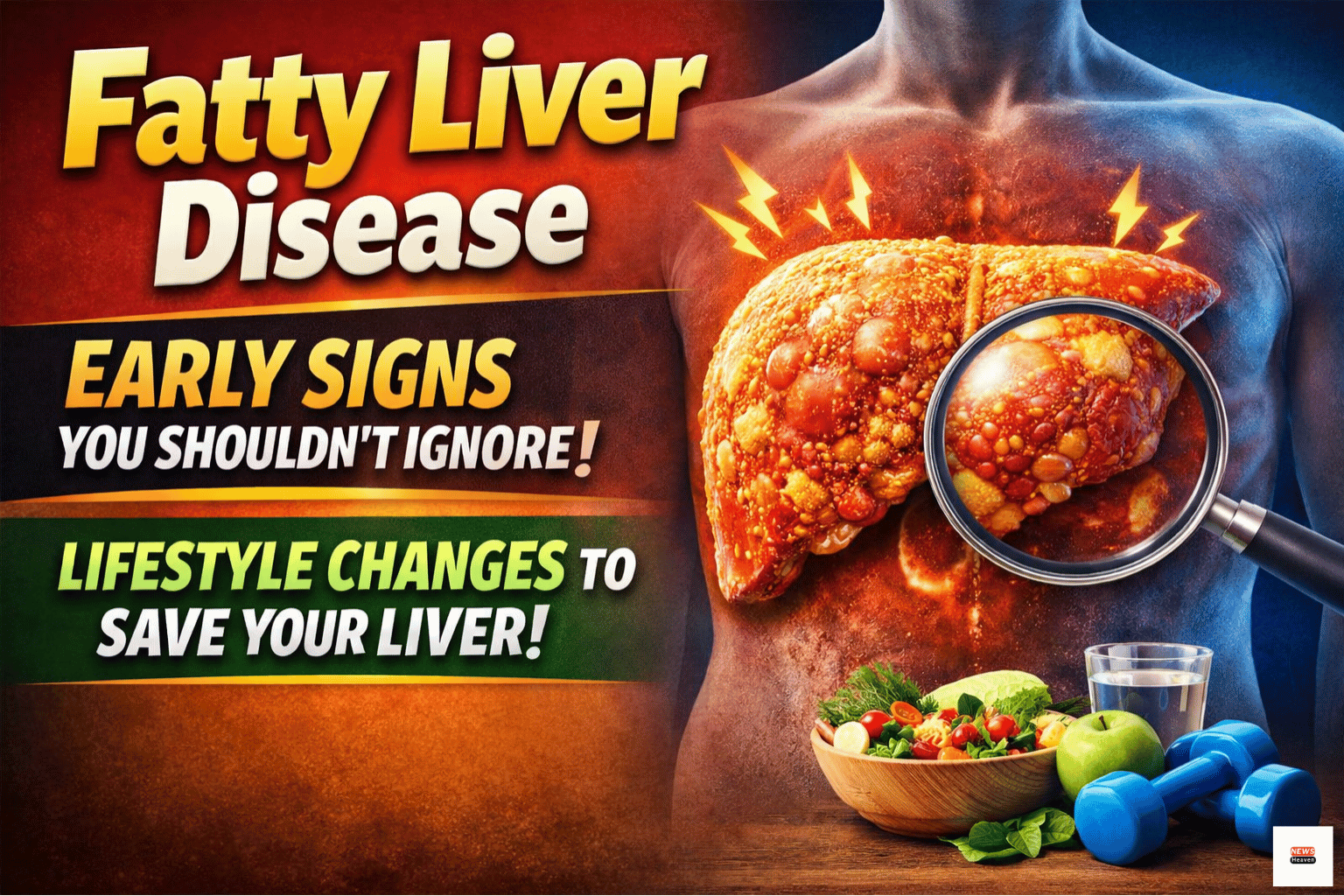
Fatty Liver Disease Warning Signs: Early Symptoms You Shouldn’t Ignore & Lifestyle Changes That Can Save Your Liver
Fatty liver disease has become one of the most common lifestyle-related health conditions today. With changing food habits, lack of exercise, increasing obesity, and rising stress levels, liver problems are becoming more common even in young adults.
Doctors and health experts warn that fatty liver disease often develops silently. Many people do not realize they have the condition until it reaches a more serious stage. That is why understanding its early symptoms and adopting healthy lifestyle habits is crucial.
In this article, we explain the major warning signs of fatty liver disease and the essential lifestyle changes you should start today to protect your liver health.
What Is Fatty Liver Disease?
Fatty liver disease occurs when excess fat starts accumulating in the liver cells. Normally, the liver contains a small amount of fat, but when fat levels increase beyond the healthy limit, it can lead to inflammation and damage.
There are two major types of fatty liver disease:
-
Alcoholic Fatty Liver Disease (AFLD)—caused by excessive alcohol consumption.
-
Non-Alcoholic Fatty Liver Disease (NAFLD)—caused mainly by poor lifestyle habits, obesity, diabetes, high cholesterol, and unhealthy diet.
If not treated on time, fatty liver can progress into severe liver conditions such as liver inflammation, fibrosis, cirrhosis, and even liver failure.
Why Fatty Liver Disease Is Becoming More Common
Health experts say the increasing number of fatty liver cases is strongly linked to modern lifestyle habits. The most common reasons include:
-
Eating high-calorie and processed foods regularly
-
Excess sugar and junk food consumption
-
Lack of physical activity
-
Obesity and weight gain
-
Diabetes and insulin resistance
-
High cholesterol levels
-
Regular alcohol intake
-
Poor sleep cycle and high stress
Due to these reasons, fatty liver disease has become a growing health concern worldwide.
Early Warning Signs of Fatty Liver Disease
Fatty liver disease may not show strong symptoms at the beginning, but the body often gives subtle warning signs. Recognizing these early symptoms can help prevent serious liver damage.
👉 WebMD lists fatigue and abdominal discomfort as early warning signs.
1. Constant Fatigue and Weakness
One of the most common early symptoms is persistent tiredness. Even after sleeping properly, the person may feel low energy and weakness throughout the day.
2. Pain or Discomfort in the Upper Right Abdomen
Many people experience mild pain or heaviness on the right side of the abdomen. This happens because the liver becomes enlarged due to excess fat accumulation.
3. Unexplained Weight Loss
Sudden or unexplained weight loss without dieting may indicate liver-related issues. This may happen because fatty liver affects metabolism.
4. Loss of Appetite
A person may feel full quickly or lose interest in eating. Appetite loss is a common warning sign of liver dysfunction.
5. Nausea and Digestive Problems
Fatty liver may cause nausea, bloating, indigestion, and discomfort after eating oily or heavy food.
6. Increased Belly Fat and Weight Gain
In many cases, fatty liver develops along with obesity. If belly fat is increasing rapidly, it could be a sign of metabolic imbalance affecting liver health.
7. Elevated Liver Enzymes in Blood Tests
Sometimes, fatty liver is detected only through routine blood tests showing increased liver enzyme levels. That is why regular health check-ups are important.
Why Fatty Liver Disease Is Dangerous
Fatty liver may look harmless in the beginning, but experts warn that it can become serious if ignored.
If the liver continues to store fat for a long period, it can lead to:
-
Liver inflammation (steatohepatitis)
-
Liver scarring (fibrosis)
-
Cirrhosis (permanent liver damage)
-
Liver failure
-
Higher risk of liver cancer
This is why early lifestyle correction is considered the best solution.
🌿 Essential Lifestyle Changes to Protect Your Liver
The good news is that fatty liver disease is reversible in its early stages. Simple lifestyle changes can help reduce fat buildup and improve liver function naturally.
1. Improve Your Diet Immediately
Diet plays the biggest role in managing fatty liver disease. Experts recommend focusing on clean, natural, and fiber-rich foods.
Foods to Eat for Liver Health
-
Fresh fruits and vegetables
-
Whole grains like oats, brown rice, and millet
-
Pulses and legumes
-
Nuts and seeds in moderation
-
Healthy fats like olive oil
-
Lean proteins such as fish, eggs, and paneer
-
Green leafy vegetables
-
High-fiber foods
Foods to Avoid
-
Fried foods and fast food
-
Sugary drinks and sodas
-
Excess sweets and desserts
-
Refined flour products (maida)
-
Packaged snacks and chips
-
Processed meats
-
Excess salt and preservatives
Eating balanced meals can reduce inflammation and support liver recovery.
2. Exercise Regularly
Physical activity is one of the fastest ways to reduce liver fat. Experts suggest doing at least 30 minutes of exercise daily.
The best exercises include:
-
Brisk walking
-
Jogging
-
Cycling
-
Yoga
-
Swimming
-
Strength training
Exercise improves metabolism, reduces obesity, and helps the liver function better.
3. Maintain a Healthy Body Weight
Doctors say that even a small weight loss can significantly improve fatty liver condition.
Losing just 5% to 10% body weight can reduce liver fat and lower inflammation levels. Healthy weight management is one of the most effective long-term solutions.
4. Reduce Alcohol Consumption
Alcohol is one of the biggest enemies of liver health. Even small amounts can worsen liver damage if fatty liver already exists.
People with fatty liver should avoid alcohol completely or limit it strictly under medical advice.
5. Stay Hydrated
Drinking enough water helps flush toxins from the body and supports liver function. Staying hydrated also improves digestion and metabolism.
Experts recommend drinking 8–10 glasses of water daily, depending on body needs.
6. Manage Stress and Sleep
Stress can affect liver health indirectly by increasing inflammation and encouraging unhealthy eating habits.
Healthy habits that help include:
-
Sleeping 7–8 hours daily
-
Practicing meditation
-
Doing yoga or breathing exercises
-
Reducing screen time before bed
Good sleep and mental balance improve overall liver recovery.
7. Regular Health Check-Ups
Fatty liver disease can go unnoticed for years. Regular health screenings are important, especially for people with obesity, diabetes, or high cholesterol.
Recommended tests include:
-
Liver function test (LFT)
-
Ultrasound scan
-
Blood sugar tests
-
Cholesterol profile
Early detection can prevent severe complications.
⭐ Final Words: Protect Your Liver Before It’s Too Late
Fatty liver disease is one of the most common lifestyle disorders today, but it is also one of the most preventable and reversible conditions if detected early.
If you notice constant fatigue, abdominal discomfort, appetite loss, or sudden weight changes, it is important to consult a doctor immediately.
By following a healthy diet, staying active, avoiding alcohol, and maintaining a healthy weight, you can protect your liver and improve your overall health naturally.
Disclaimer: This article is for informational purposes only. Always consult a doctor for proper diagnosis and treatment.
Also read:
Amla: The Ayurvedic Superfruit Loaded with Medicinal Properties and Health Benefits



Pingback: This Common Morning Habit Could Be Reducing Your Life Expectancy — Here’s What Experts Want You to Know