
74 million people in India suffer from diabetes, with many unaware of their condition. Learn about the symptoms and risks, and how regular screening and healthy lifestyle choices can help prevent diabetes.
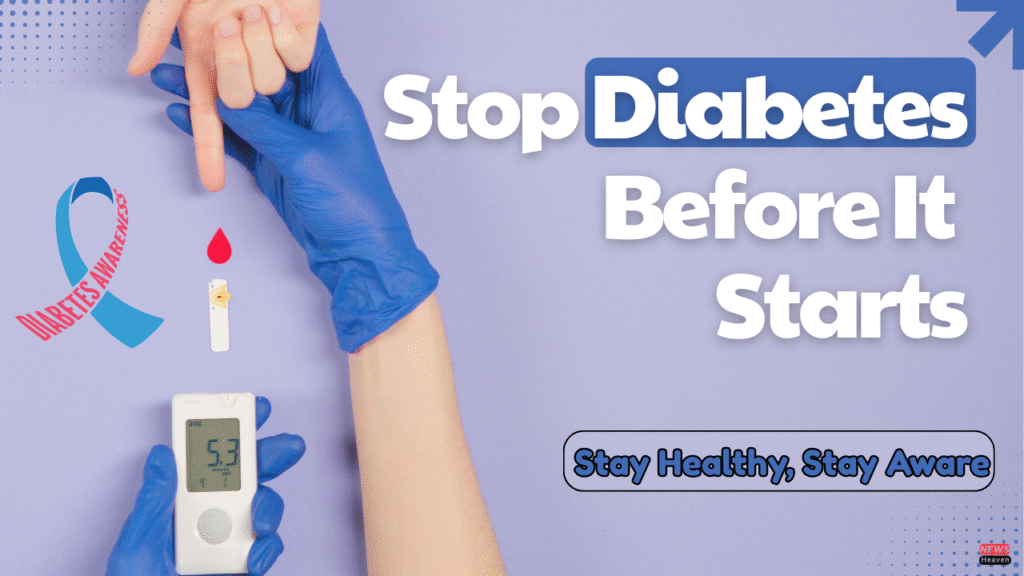
2 Crore Indians Have Diabetes: What You Need to Know About Symptoms, Risks, and How to Avoid It
Diabetes is now one of India’s biggest health problems. The Lancet says that around 2 crore people in the country have diabetes. What is even more alarming is that many of these individuals are unaware of their condition, which could result in serious health complications over time.
This blog post covers everything you need to know about diabetes in India, including its symptoms, risks, and how to prevent or treat it.
The Diabetes Epidemic in India
The number of people diagnosed with diabetes in India has increased rapidly, especially over the past few decades. The country today has one of the greatest populations of persons with diabetes in the world.
What is causing diabetes to rise?
- Dietary habits: A growing propensity for processed foods, sugary drinks, and meals high in carbs has played a big role.
- Not getting enough exercise: Technology and job habits that keep people sitting around all day can raise their chance of getting diabetes.
- Stress: Stress from work, daily life, and the surroundings might make the illness worse.
- Genetics: Family history and genetics are important factors in the development of it.
What is diabetes?
It is a long-term illness in which your body either can’t make enough insulin or can’t use it properly, which causes your blood sugar levels to rise. Insulin is a hormone that helps your cells use glucose as fuel. If you don’t have it, glucose builds up in the blood, which can cause major health problems.
Signs and Symptoms of Diabetes
The most concerning aspect of diabetes is that many individuals are unaware they have it, as it often does not show clear signs in the early stages. But here are some frequent signs to look out for:
- Frequent urination, particularly at night, indicates that the kidneys are attempting to eliminate excess glucose.
- Too much thirst: Your body strives to make up for the fluids it lost.
- Fatigue is the feeling of always being tired and having low energy.
- Blurry vision: When your blood sugar levels are too high, your eyes can’t focus.
- Infections or sores that take a long time to heal: High glucose levels make it harder for the body to heal.
- Numbness or tingling: A feeling in your hands or feet that happens when nerves are damaged.
If you have any of these symptoms, you should see a doctor and get tested as soon as you can.
What Happens If You Don’t Treat Diabetes
If it is not treated or identified, it can cause a number of serious health problems, such as:
- High blood sugar levels can harm blood arteries and make heart attacks and strokes more likely.
- Damage to the kidneys: It can damage the kidneys over time, which could lead to kidney failure.
- Damage to nerves: High blood sugar levels can hurt nerves, which can make it hard to feel things in your hands and feet.
- It raises the risk of cataracts, glaucoma, and potentially going blind.
- Foot problems: Poor circulation and nerve degeneration can cause foot ulcers and infections that may need to be amputated.
How to Keep Diabetes from Getting Worse
The good news is that you can prevent it and manage it effectively by implementing lifestyle changes and closely monitoring it. Here are some things you can do:
- Eat a healthy diet
Eat a balanced diet that contains whole grains, veggies, fruits, lean proteins, and healthy fats. Stay away from fried foods, processed foods, and too much sugar. Controlling your portions is also very important for keeping your blood sugar levels stable. - Get some exercise every day
Doing at least 30 minutes of moderate exercise every day will help lower blood sugar levels, make insulin work better, and help you keep your weight in check. Walking, running, biking, or swimming are all fantastic ways to keep diabetes at bay. - Monitor Your Blood Sugar Levels
To effectively manage and control it, please ensure you regularly check and monitor your blood sugar levels. Regular tests are very important, especially if you are over 40 or have a family history of the disease. - Manage Stress
Long-term stress can raise blood sugar levels, which makes it difficult to control diabetes. Yoga, meditation, and deep breathing exercises are among stress-relieving activities that might help keep your blood sugar levels in check. - Maintain a Healthy Weight
If you are overweight or obese, you are more likely to get type 2 diabetes. You can lower your risk a lot by losing only a little bit of weight (5–10% of your total body weight). - Quit Smoking and Limit Alcohol
Diabetes-related issues can worsen if you smoke or consume excessive amounts of alcohol. Quitting smoking and drinking less alcohol can make you healthier and lower your risk of getting diabetes.
Why Regular Screening Matters
Finding diabetes early can help you control it before it causes problems. The Indian Council of Medical Research (ICMR) says that everyone over 30 should have regular diabetes testing, especially if they are overweight, have a family history of it, or don’t get enough exercise.
Final Thoughts
Diabetes is becoming more common in India, where around 2 crore individuals have it. A lot of people don’t know what their diagnosis is, which makes it even more crucial to know the signs, be tested often, and live a healthy life. You can effectively avoid or control it and lower your risk of serious complications by keeping your diet in check, working out regularly, and remaining up-to-date.
Don’t wait for symptoms to show up; take charge of your health today!
Stay informed and proactive with News Heaven, your trusted source for up-to-date health news and tips for a healthier life.
Also read: Unusual Foods That Boost Brain Power: 5 Game-Changing Options for Cognitive Health




Pingback: How Much Milk Should You Drink in a Day? Benefits & Tips for Healthy Consumption