

Donald Trump announces 100% tariffs on movies made outside the US, sparking global debate. Here’s how the move could reshape Hollywood and world cinema
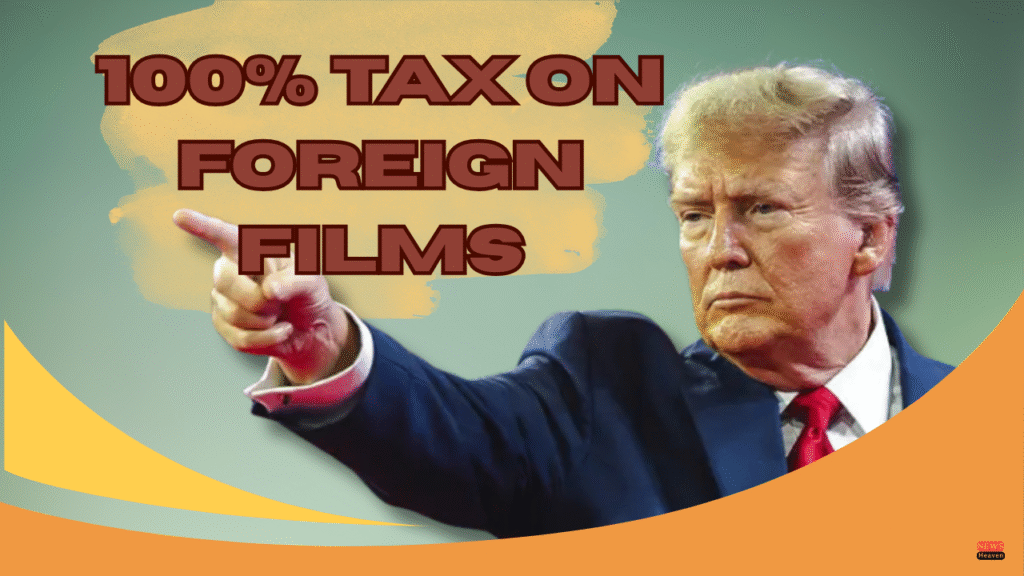

Donald Trump’s implementation of a 100% tariff has significantly impacted the global cinema industry.
Former US President Donald Trump has once again shaken the entertainment world. In a fiery announcement, he revealed plans to impose 100% tariffs on all movies produced outside the United States. The bold move, according to Trump, is designed to protect American jobs and revive a “dying” film industry.
“Our business has been stolen by foreign incentives and outsourcing. It’s time to bring it back home,” Trump declared.
But what does this mean for Hollywood, global filmmakers, and audiences worldwide? Let’s dive deep.
Why Trump Wants Tariffs on Foreign Films
Trump argues that foreign governments lure Hollywood productions overseas with tax breaks, cheap labor, and generous subsidies. From blockbuster shoots in Canada and the UK to post-production in India and New Zealand, many big films rely on international collaboration.
By slapping on a 100% import tax, Trump hopes studios will be forced to keep production—and profits—in the US.
Key Challenges and Questions
While the idea sounds simple, experts highlight several complications:
-
Legal gray area: Movies are often considered intellectual property or services, not physical goods.
-
Defining “foreign-made”: Many films are co-productions, with scenes shot in multiple countries. Would they be taxed?
-
Streaming era enforcement: How do you “tax” a Netflix or Amazon Prime film delivered digitally?
-
Retaliation risks: Other countries may strike back with tariffs on US cultural exports.
Potential Impact on Hollywood & Audiences
-
Rising Costs
-
Distributors may pass on tariff costs to theaters and audiences.
-
Ticket prices for foreign films could skyrocket.
-
-
Reduced Global Collaboration
-
US studios often rely on international financing, actors, and production houses.
-
Tariffs could discourage such partnerships.
-
-
Shifts in Production
-
More films may move entirely to US locations.
-
However, production costs in the US remain far higher than abroad.
-
-
Smaller Independent Films Hit the hardest.
-
Foreign films—from European art cinema to Asian hits—could find it harder to enter the US market.
-
Audiences may lose cultural variety.
-
What This Means for the Global Film Industry
Hollywood is not a solitary entity. It thrives on global collaboration, shared talent, and international audiences. A 100% tariff threatens to:
-
Disrupt cross-border co-productions.
-
Spark a cultural trade war.
-
Reduce the availability of foreign cinema in the US.
-
Weaken Hollywood’s influence abroad.
In short, while the plan may sound like “America First,” it risks turning into “Hollywood Last.”
Final Thoughts
Trump’s proposed 100% tariffs on foreign-made films may appeal to nationalist sentiment, but the practical challenges are enormous. From legal battles to industry backlash, the road ahead is uncertain.
For moviegoers, the question is simple: Will tariffs make tickets more expensive, and will we lose access to global cinema?
One thing is certain—the entertainment world is bracing for impact.
Call to Action
👉 What do you think of Trump’s tariff move?
Would it really save Hollywood or push it into isolation?
Share your thoughts in the comments below and stay tuned to News Heaven for the latest updates.