

India will establish four new semiconductor manufacturing units worth ₹4,594 crore in Odisha, Andhra Pradesh, and Punjab to strengthen its domestic chip industry


India Approves Four New Semiconductor Units Worth ₹4,594 Crore to Boost Domestic Chip Production
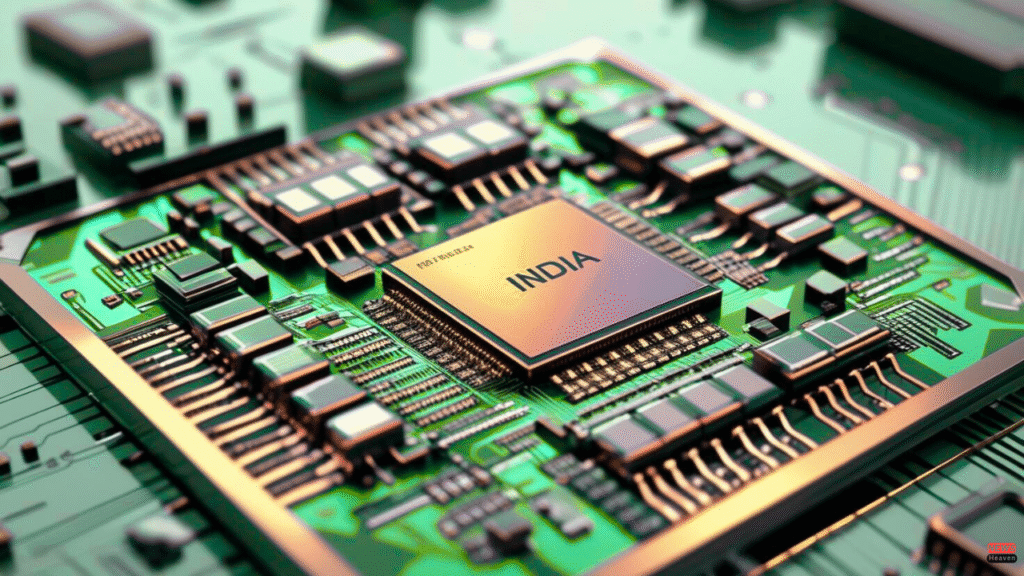
New Delhi, August 13, 2025: The Union Cabinet approved the building of four new semiconductor manufacturing units at ₹4,594 crore. This is a big step toward making India more self-sufficient in technology. These will be built in Odisha, Andhra Pradesh, and Punjab, which is an important step for India to increase its presence in the global semiconductor supply chain. The project is part of the bigger India Semiconductor Mission, which has so far approved ten chip-making plants with a total expenditure of about ₹1.6 lakh crore.
Why Semiconductor Manufacturing Matters
Semiconductors are the most important parts of modern electronics, such as smartphones, vehicles, and AI systems. Chip demand is going up quickly over the world, and countries are increasing their production to prevent having to rely on imports. India wants to match that demand and become a major player in the semiconductor value chain with these new approvals.

States Picked for Strategic Growth
Odisha, Andhra Pradesh, and Punjab: These states were chosen for the new facilities under the India Semiconductor Mission because they have excellent industrial infrastructure, access to power, and a trained workforce.
Total amount of money spent: The additional ₹4,594 crore increase keeps India’s chip manufacturing going strong, on top of the ₹1.6 lakh crore already authorized in six states.
Effects on the economy and strategy
These units will probably help the economies of the states where they are located by producing high-skilled jobs and boosting tech growth. From a strategic perspective, making chips at home helps with both supply security and national resilience in important technologies.
Global Context: Why Now?
To To address issues in the global supply chain and international tensions, nations worldwide are bringing investments back to their home countries. India’s approach shows that it wants to be a part of this change and become self-sufficient in technology. The increasing demand for chips in fields such as AI, telecom, and automotive makes this shift even more crucial.
What’s Next
Now that these approvals are in place, the next steps include finalizing the project locations, collaborating with global manufacturers to transfer technology, and developing additional infrastructure such as testing labs and power management systems. India wants to become a center for semiconductors in the future.
Also read: ISRO Announces New Mission for 2025: Advancing India’s Space Ambitions