

Karnataka’s response to heatwave fatalities includes heart disease screening for auto & cab drivers, CPR training for communities, and improved cardiac care infrastructure.
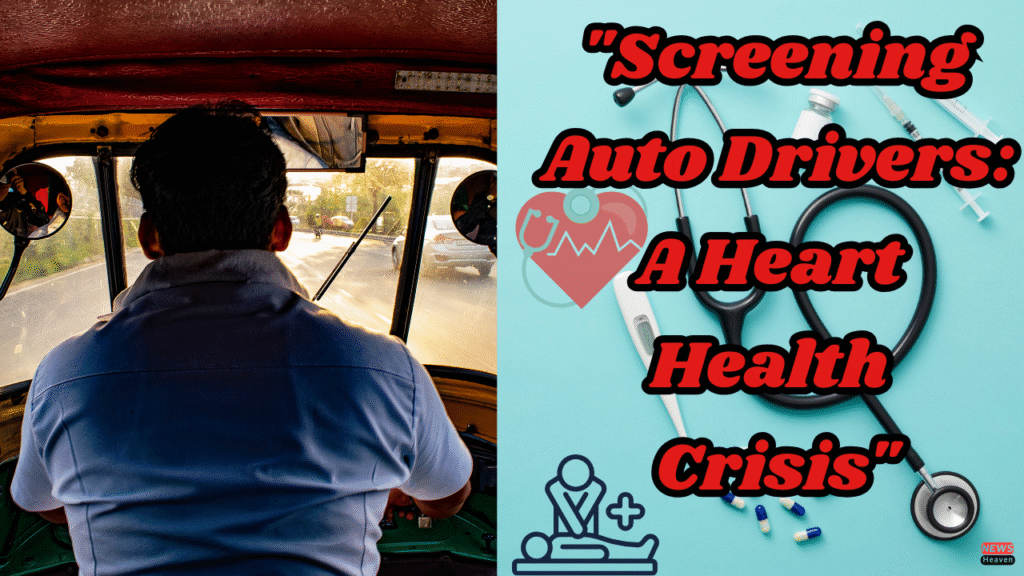

India’s Health Response to the 2025 Heat Wave: Checking Auto Drivers for Heart Disease
New Delhi, August 15, 2025: The heatwave that ravaged India from April to July 2025 killed hundreds of people, with Karnataka’s Hassan area being one of the worst affected. In response, the state government has started a revolutionary public health program to check auto-rickshaw and cab drivers for heart disease. The program also includes CPR training for children, gym teachers, and teachers. This move shows that they are taking a proactive approach to dealing with the growing risks of excessive heat and heart health problems.
The Heat Wave and Its Toll
The heat wave of 2025 was especially severe since it came earlier than planned and raised temperatures to unsafe levels. In places like Rajasthan, temperatures rose above 48°C, which caused many people to get sick from the heat. During the worst of the heatwave in Karnataka, more than 450 people died. Stress from the heat exacerbated cardiac problems, leading to many of these deaths.
This wave of deaths caused by the heat made it clear how important it is to take targeted health measures, especially for people who are most at risk of excessive heat. The state government started this cardiac screening program because people who drive cars for a living are especially at risk for these illnesses.
Why Auto Drivers Are at Higher Risk
Auto-rickshaw and cab drivers are generally the first to feel the effects of heat waves since they spend long hours in a heated, enclosed space with no access to rest, water, or medical care. Being under stressful job settings for a long time raises the chance of heart-related problems.
Their profession keeps them sitting down for lengthy periods of time, which, together with long hours, high stress, and irregular eating habits, makes them more likely to get heart disease. Karnataka’s heart screening program targets this high-risk demographic. Its goal is to find early indicators of heart disease and stop deaths during extreme weather.
What the government is doing: screening and training
The Karnataka government is starting a multi-faceted health initiative to screen auto and cab drivers, teach them CPR, and improve emergency healthcare facilities in the area.
- Screening Campaign
All of Hassan’s main auto hubs and taxi stands will implement the screening procedure. Many drivers frequent these locations, making them crucial for identifying individuals at risk of heart disease. There are more than 50,000 drivers in the district, so this targeted method will assist in finding people who are at risk of heart-related problems, which will allow for early diagnosis and treatment.
Tests for high blood pressure, high cholesterol, and symptoms of heart disease will be part of the heart examinations. The goal of this program is to greatly lower the number of fatal heart attacks, especially during heat waves, by finding health problems early.
- CPR Training for the Community
The program also includes CPR training for children, gym teachers, and teachers, in addition to cardiac screenings. The goal of this community training program is to build a network of first responders who can help in crises, making sure that cardiac episodes are dealt with quickly.
Early intervention is often the key to saving lives; thus, the goal of the CPR training is to provide people the skills they need to keep patients stable until help arrives. The goal of the effort is to build a community that is well-trained and ready to deal with health emergencies, especially in high-risk scenarios like heart attacks.
Improving Medical Infrastructure
Karnataka is improving medical facilities in the district in addition to screenings and CPR training. Setting up a cath lab at district medical facilities will make it easier to diagnose and treat heart-related crises more quickly. We will also improve ambulance services and lighting in important regions to ensure prompt medical care for people.
Public Health Implications
This cardiac screening and CPR program shows how climate change and public health are becoming more and more connected. Extreme weather events like heatwaves are happening more often, which will probably hurt heart health even more. Karnataka is showing other public health systems how to deal with health problems caused by climate change by taking steps to prevent them, such as early screenings and training in the community.
This program also shows how important it is to provide personalized medical treatment for at-risk groups, like vehicle drivers, who might not be able to get medical care otherwise.
Looking ahead: growth and long-term success
The program has helped taxi and auto drivers, but it may also help other at-risk workers. Health and screening initiatives like these could benefit farmers, street vendors, and construction workers, who also face high temperatures.
Ensuring the longevity of this program requires year-round health outreach, consistent follow-up care, and continuous community education. To lessen the health effects of climate-related events, it will be important to include this method in larger National Health Mission plans and to ensure it fits with plans for climate resilience.
If this approach proves effective, it could serve as a model for climate-resilient public health planning in other regions of India and globally.
Conclusion: A Framework for Climate-Resilient Health Systems
The Karnataka government’s cardiac screening program is a timely and required reaction to the health problems that extreme weather events cause. The state is not only saving lives by focusing on vulnerable groups, providing early diagnosis, and teaching communities to respond to catastrophes, but it is also building a model that can be used to confront the mounting health concerns that come with climate change.
As India experiences more and more severe heatwaves, programs like these will be crucial in helping communities get ready for the health effects of climate change. These give us hope for a future that is more resilient and health-conscious.
Stay tuned to News Heaven for future updates and expert features on India’s climate health challenges and innovative solutions.
Also read: Prayaas Scheme 2025: NCERT’s Bold Move to Ignite Student Innovation in Classes IX–XI
National Sports Policy 2025: Empowering India’s Grassroots Sports for Global Success