GST 2.0 brings big relief! The prices of milk, butter, paneer, bread, ice cream, chocolates, soaps, and school supplies were slashed. Check the full list of items here.
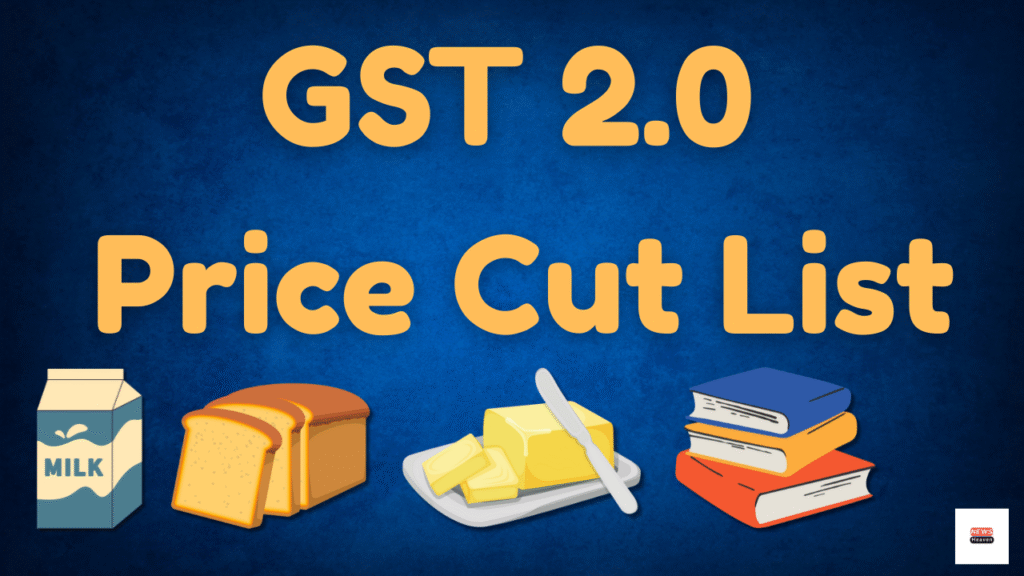
GST 2.0: A Huge Benefit for Consumers
Starting on September 22, 2025, the Government of India has rolled GST 2.0 into effect. This would lower the taxes on basic goods that millions of families buy every day. Everything grew cheaper, from milk, butter, paneer, and bread to ice cream, chocolate, personal care items, and school supplies.
This big change is meant to lower inflation, make basic goods more accessible, and make middle-class and student families happy.
Important Features of GST 2.0
- Milk (UHT) is now GST-free (it used to be 5%).
- Prices for butter and ghee have gone down by ₹20–₹40 per carton.
- Bread and cookies are now cheaper in stores due to the removal of the GST.
- 18% GST on chocolates and sweets cut to 5%
- Shampoo, soap, and toothpaste prices went down a lot, from 18% to 5%.
- School supplies like notebooks, pencils, erasers, and lab books are now GST-free.
GST 2.0 Price Cut Table
| Item | Old GST Rate/Price | New GST Rate/Price | Savings |
|---|---|---|---|
| UHT Milk (1L) | 5% GST – ₹77 | 0% GST – ₹75 | ₹2 |
| Paneer (200g) | 12% GST – ₹90 | 0% GST – ₹80 | ₹10 |
| Butter (500g) | ₹305 | ₹285 | ₹20 |
| Ghee (1 L) | 12% GST – ₹650 | 5% GST – ₹610 | ₹40 |
| Bread (loaf) | 5% GST – ₹20 | 0% GST – ₹19 | ₹1 |
| Biscuits & Namkeen | 12–18% | 5% | ~₹5–₹10 pack |
| Ice Cream (500 ml) | 18% GST – ₹120 | 5% GST – ₹105 | ₹15 |
| Chocolate (50g) | ₹50 | ₹44 | ₹6 |
| Laddoo (per kg) | Tax ₹72 | Tax ₹20 | ₹50+ |
| Shampoo, Soap, Oils | 18% GST | 5% GST | 10–15% cheaper |
| School Supplies | 5–12% GST | 0% GST | Full tax saved |
Why is this important?
It’s apparent that the government wants to:
- Less stress on families means lower prices on snacks, groceries, and dairy products.
- Make education more affordable so parents can buy more books and school supplies.
- Encourage fair pricing: FMCG and dairy industries pass on savings to their customers.
- Lower rates might lead to more consumption in retail, which can help demand.
What it means for middle-class families
For an average Indian family, the savings on individual goods may not seem like much, but their monthly costs might easily go down by ₹500 to ₹1,000.
Think about:
- The cost of breakfast in the morning goes down (milk, bread, and butter).
- Chocolate and ice cream snacks for kids are less expensive.
- School supplies, including books, pencils, and paper, are now tax-free.
- The cost of shampoo and soap for daily showers has also decreased.
Reactions from Experts
- Economists term it a “GST reform that focuses on the consumer.“
- Retailers think that sales will go up because prices are going down.
- The school supply exemptions are most popular with parents and pupils.
GST 2.0 FAQs
Q1: When does the GST 2.0 pricing go into effect?
Starting on September 22, 2025.
Q2: What foods got cheaper?
The items that have become more affordable include milk, butter, paneer, bread, biscuits, chocolates, ice cream, and namkeen.
Q3: Is there no tax on school supplies now?
Yes, notebooks, pencils, erasers, lab books, and globes are all exempt from GST. What about things for personal care?
A substantial price drop: shampoo, soap, oils, and toothpaste went from 18% GST to 5%.
Q5: Who gets the most out of it?
Middle-class families, students, and small stores stand to benefit the most from this change.
Last Thoughts
The government has made a brave move to help regular people via GST 2.0. Things you need, such as milk, butter, bread, chocolate, personal care items, and school supplies, are now less expensive.
This change isn’t only about lowering taxes; it’s also about making life easier for millions of Indian families.
👉Stay tuned with News Heaven for more updates on GST, economy, and lifestyle news