


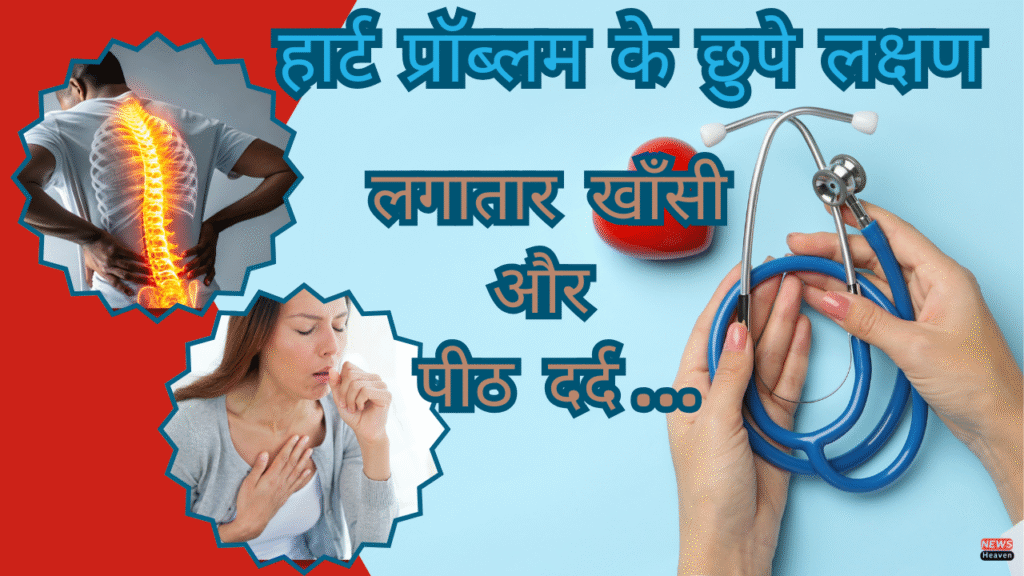
Persistent back pain and chronic cough may seem harmless, but they can sometimes signal a serious cardiac issue. Learn the hidden warning signs, risk factors, and prevention tips to protect your heart health.


Back pain and a persistent cough: are these just common problems or signs of a heart problem?
Back pain and coughing are two of the most common health problems. Most often, poor posture, respiratory illnesses, or issues with your lifestyle contribute to them. But did you know that having a chronic cough and back pain that won’t go away might sometimes be indicators of a heart emergency?
Your body often gives you small signs that a big health problem is coming. Early recognition of these signs could save your life.
Why back pain could mean heart problems
Chest pain is the most common indicator of heart disease, yet not everyone feels it the same way. Back discomfort may be an “atypical” indicator of cardiac problems for some people, especially women, diabetics, and older persons.
- Ischemia, or reduced blood flow to the heart, can produce pain that spreads to the back, shoulders, or jaw.
- Clogged arteries: When arteries get narrowed or clogged, they might cut off oxygen delivery. This can cause dull or pressure-like back discomfort that won’t go away.
- Warning Signs of a Heart Attack: Severe back pain that comes on suddenly and for no apparent reason could be an early symptom of a heart attack.
How a Cough That Won’t Go Away Affects Heart Health
You should see a doctor if your cough doesn’t go away, especially if it gets worse at night. This can happen in heart problems because of:
- Pulmonary Congestion: When the heart doesn’t pump blood well, fluid builds up in the lungs, which makes you cough up wet stuff.
- Orthopnea and Paroxysmal Nocturnal Dyspnea: If you have trouble breathing or coughing while resting flat, it could be a sign of heart failure.
- Frothy or Pink Mucus: Heart failure might make you cough up pink-tinged sputum, which needs to be treated right away.
Symptoms to Watch Out For 🚨
If you have any of these, along with back discomfort and a chronic cough, you should see a doctor right away.
- Breathlessness, especially at night or when lying down
- Pressure, tightness, or heaviness in the chest
- Legs or ankles that are swollen
- Feeling tired or weak for no reason
- Weight increase all of a sudden
- An irregular heartbeat or palpitations
Who Is More Likely to Be at Risk?
Some things make it more likely that back pain or a cough could be a sign of heart disease:
- Hypertension (high blood pressure)
- Diabetes
- A lot of cholesterol
- Using alcohol and smoking
- Family history of heart problems
- Living a sedentary existence
Tips for a healthy lifestyle and prevention ❤️
Not all back discomfort or cough is related to the heart, but taking steps to safeguard your heart health is always a good idea:
- ✅ Get regular checkups to monitor your blood pressure, diabetes, and cholesterol levels.
- ✅ Keep your diet balanced by eating many fruits and vegetables and not too much salt or sugar.
- ✅ Stay active (walk briskly for 30 minutes per day)
- ✅ Don’t smoke or drink too much alcohol.
- ✅ Take care of stress and get enough sleep
- ✅ Don’t overlook symptoms that are strange or last a long time.
Final Thoughts: Pay Attention to Your Body
Usually, back pain and a cough that won’t go away aren’t serious, but if they don’t go away or get worse, they could be more than just regular health issues. Are you paying attention to what your body is saying before a heart attack?
Finding out about a problem early and getting medical help quickly can make a big difference. If you’re not sure, call a doctor right away. It’s always better to be safe than sorry when it comes to your heart.
Also read: Wearing Earphones for Long Hours? Here’s How It Affects Your Hearing and Ear Health